
3 Reasons Your Dentures Don’t Fit
By Brampton Smiles · Brampton Smiles, Brampton
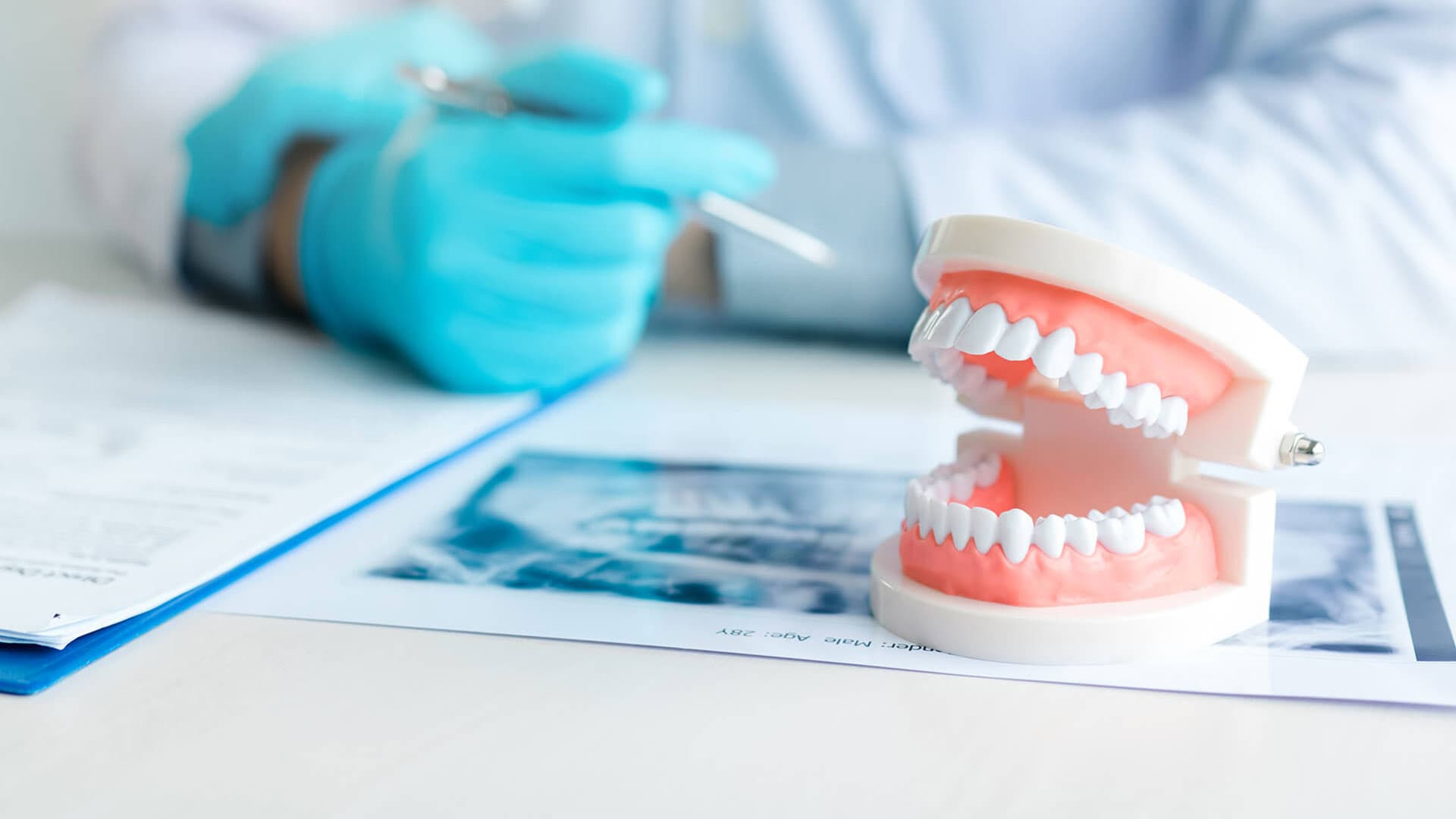
When it comes to oral health, we all strive to maintain a healthy and functional set of teeth. However, sometimes circumstances beyond our control can lead to tooth loss, making it difficult to eat, speak, and smile confidently. In such cases, dentures provide an ideal solution for restoring lost teeth and improving the quality of life.
Dentures are removable prosthetic devices that serve as a replacement for missing teeth and surrounding tissues. They come in various forms, including complete dentures, partial dentures, and implant-supported dentures, all of which are designed to meet specific dental needs. In this blog post, we will explore three common reasons why people require dentures and how they can benefit from these dental appliances.
Whether you have lost your teeth due to injury, decay, or gum disease, this blog post will provide you with valuable insights into the benefits of dentures and how they can enhance your dental health and overall well-being.
Reasons Why Dentures Don’t Fit
There are several reasons why dentures may not fit properly. Here are three common reasons why dentures may not fit as expected:
Jawbone changes: Over time, the jawbone changes, particularly when natural teeth are lost. The bone in the jaw may shrink or resorb, leading to a change in the shape and size of the jaw ridge. If dentures are not adjusted or relined to accommodate these changes, they may become loose and ill-fitting. Regular dental check-ups are crucial to evaluate the fit of dentures and make any necessary adjustments to ensure they fit properly.
Weight loss or gain: Significant weight loss or gain can affect the fit of dentures. Changes in body weight can lead to changes in the shape of the gums and oral tissues, impacting the fit of dentures. If you experience significant weight changes, it’s important to inform our dentist so that they can assess and adjust the dentures accordingly.
Normal wear and tear: Over time, dentures can wear down or become damaged, affecting their fit. Chewing, biting, and other movements can gradually wear down the denture material, leading to changes in fit and stability. Additionally, accidents or mishandling can cause fractures or damage to the dentures. Regular examination of dentures by our dentist is important to identify any signs of wear or damage and make the necessary repairs or replacements.
It’s crucial to address ill-fitting dentures as they can cause discomfort, sore spots, difficulty chewing, and even contribute to gum irritation or infection. If you notice that your dentures are not fitting properly or causing discomfort, it’s recommended to schedule an appointment with our dentist to have them evaluated and adjusted accordingly.
Proper denture maintenance, regular dental check-ups, and open communication with our dentist are key to ensuring the optimal fit and function of your dentures. It’s important to note that proper care and maintenance of dentures, along with regular dental check-ups, are essential to ensure their longevity and optimal performance. Dentists can guide cleaning routines, adjustments, and any necessary repairs to keep dentures in good condition. They will also monitor the fit of the dentures over time and make adjustments as needed.
Book Your Visit at Brampton Smiles
Same-day appointments often available. Direct billing to most insurance plans, plus full participation in the CDCP.