
What is Gingivitis?
By Brampton Smiles · Brampton Smiles, Brampton
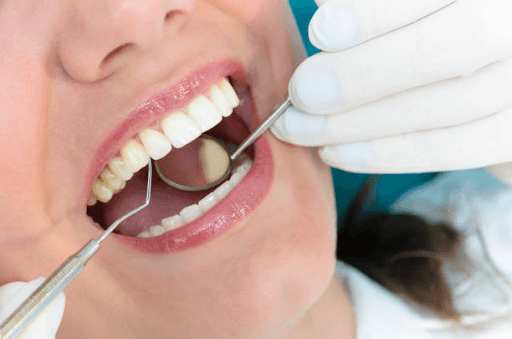
Gingivitis is a common oral health condition that affects millions of people worldwide. It is a mild form of gum disease that is characterized by inflammation of the gums, bleeding during brushing or flossing, and sometimes bad breath. Despite its prevalence, many people are unfamiliar with the causes, symptoms, and treatment of gingivitis.
It is a common and mild form of gum disease (periodontal disease) that causes inflammation of the gums, also known as the gingiva. It is typically the earliest stage of gum disease and is characterized by redness, swelling, and bleeding of the gums, especially when brushing or flossing.
Key features and characteristics of gingivitis include:
- Gum Inflammation: The gums appear red, swollen, and may be tender to the touch.
- Bleeding Gums: One of the most common signs of gingivitis is bleeding from the gums when brushing, flossing, or even eating.
- Bad Breath (Halitosis): Gingivitis can often lead to persistent bad breath due to the presence of bacteria in the mouth.
- Receding Gums: In some cases, gingivitis can cause the gums to pull away or recede from the teeth.
- Painless: Gingivitis is usually painless, which means that many people may not be aware they have it until they notice bleeding gums or other symptoms.
Gingivitis is primarily caused by the accumulation of plaque, a soft and sticky film of bacteria that forms on the teeth and gums. Poor oral hygiene practices, such as inadequate brushing and flossing, can allow plaque to build up. Over time, if plaque is not removed, it can harden into tartar (or calculus), which can only be removed by a dental professional.
The good news is that gingivitis is generally reversible with proper oral hygiene practices, including regular brushing, flossing, and professional dental cleanings. If left untreated, however, gingivitis can progress to a more severe form of gum disease called periodontitis, which can result in irreversible damage to the gums and supporting structures of the teeth, potentially leading to tooth loss.
To prevent gingivitis and maintain good oral health, it’s essential to practice regular and effective oral hygiene, schedule routine dental check-ups and cleanings, and seek prompt dental care if you notice any signs or symptoms of gum disease. Our dentist can provide guidance on the best oral hygiene practices for your specific needs and help you maintain healthy gums and teeth.
Book Your Visit at Brampton Smiles
Same-day appointments often available. Direct billing to most insurance plans, plus full participation in the CDCP.